

NASA: STEMonstration – Solar Energy
Solar energy is a key element in keeping the International Space Station functional as it provides a working laboratory for astronauts in the unique microgravity environment.
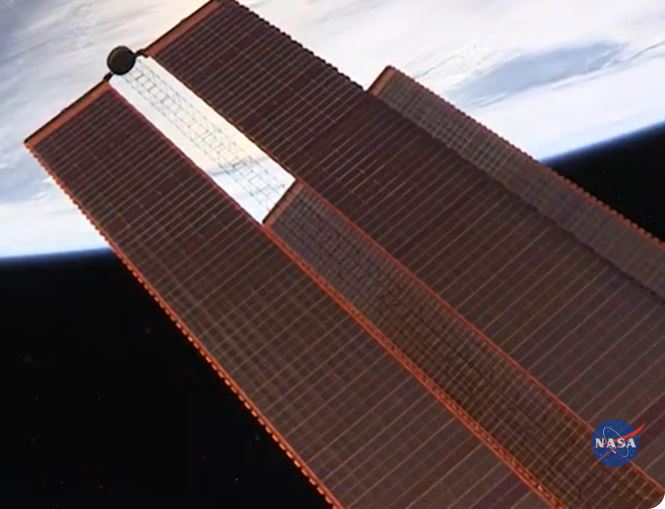
Astronauts rely on this renewable energy source to power the electronics needed for research and survival. In this episode, Expedition 55/56 Flight Engineer Ricky Arnold explains the process of generating power from the solar arrays on the space station to produce electricity for astronauts as they orbit approximately 250 miles above the earth’s surface.
Visit https://nasa.gov/stemonstation for more educational resources that explore the research and technology of the International Space Station.
Grade Level: 9-12
Time Required: 50 minutes
Next Generation Science Standards:
HS-ESS3-2
Earth and Human Activity: Evaluate competing design solutions for developing, managing, and utilizing energy and mineral resources based on cost-benefit ratios.
Expedition 55/56 Flight Engineer Ricky Arnold explains the significance of these resilient structures and the forces they are up against in microgravity.
Watch Expedition 55/56 Flight Engineer Ricky Arnold discuss the crew sleeping quarters, why sleep is important and how they adapt for circadian rhythms aboard the space station.
What are you looking for?
Organization
Website URL
Type of Resource
Assigned Categories
Resource k12
Solar energy is a key element in keeping the International Space Station functional as it provides a working laboratory for astronauts in the unique microgravity environment.
Astronauts rely on this renewable energy source to power the electronics needed for research and survival. In this episode, Expedition 55/56 Flight Engineer Ricky Arnold explains the process of generating power from the solar arrays on the space station to produce electricity for astronauts as they orbit approximately 250 miles above the earth’s surface.
Visit https://nasa.gov/stemonstation for more educational resources that explore the research and technology of the International Space Station.
Grade Level: 9-12
Time Required: 50 minutes
Next Generation Science Standards:
HS-ESS3-2
Earth and Human Activity: Evaluate competing design solutions for developing, managing, and utilizing energy and mineral resources based on cost-benefit ratios.
Expedition 55/56 Flight Engineer Ricky Arnold explains the significance of these resilient structures and the forces they are up against in microgravity.
Watch Expedition 55/56 Flight Engineer Ricky Arnold discuss the crew sleeping quarters, why sleep is important and how they adapt for circadian rhythms aboard the space station.
