

Past Collaborations
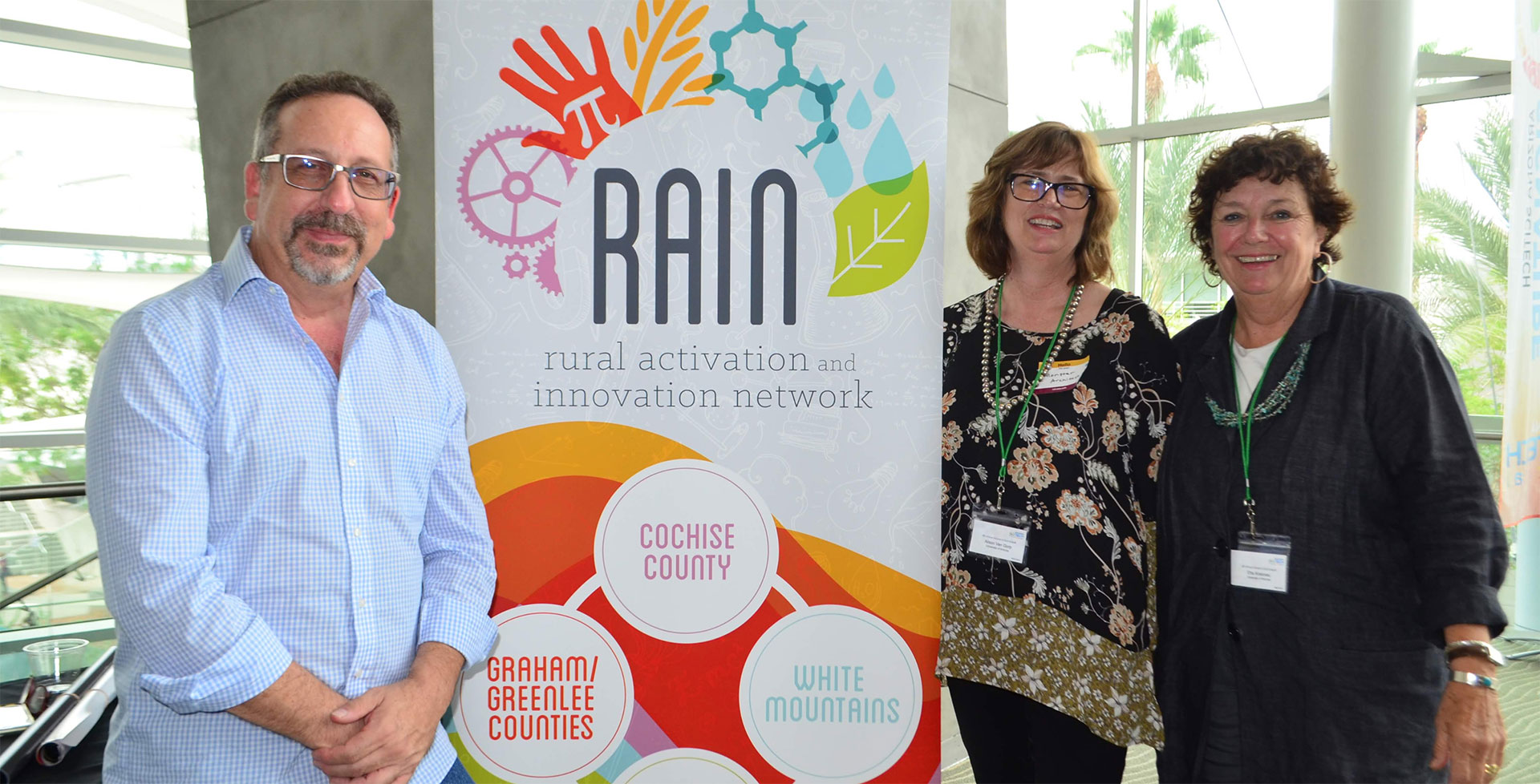
RAIN: Rural Activation and Innovation Network
Building sustainable STEM learning ecosystems in rural Arizona (2016–2023)
- NSF Award #1612555
- Led by Arizona State University
- In partnership with Arizona Science Center, SciTech Institute, and COSI
Program Overview
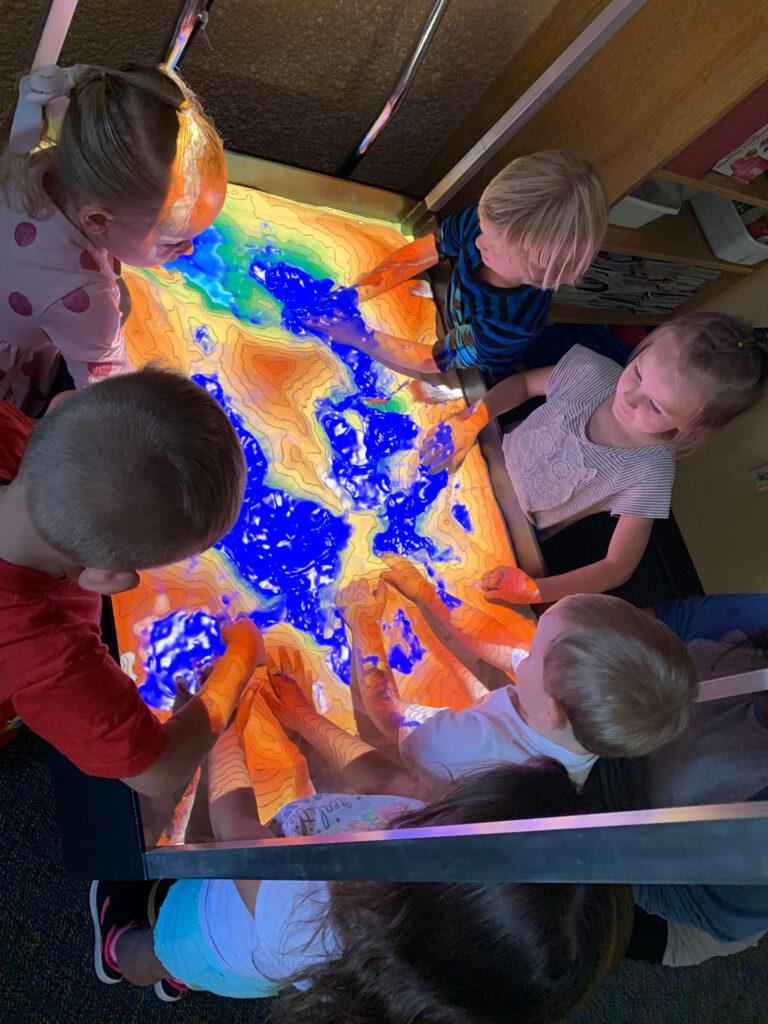
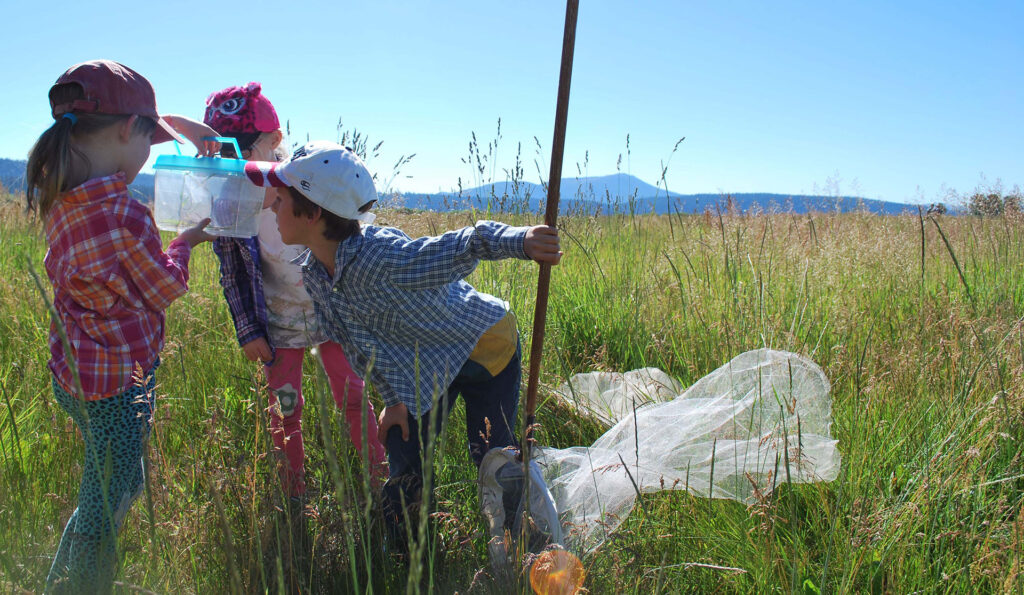
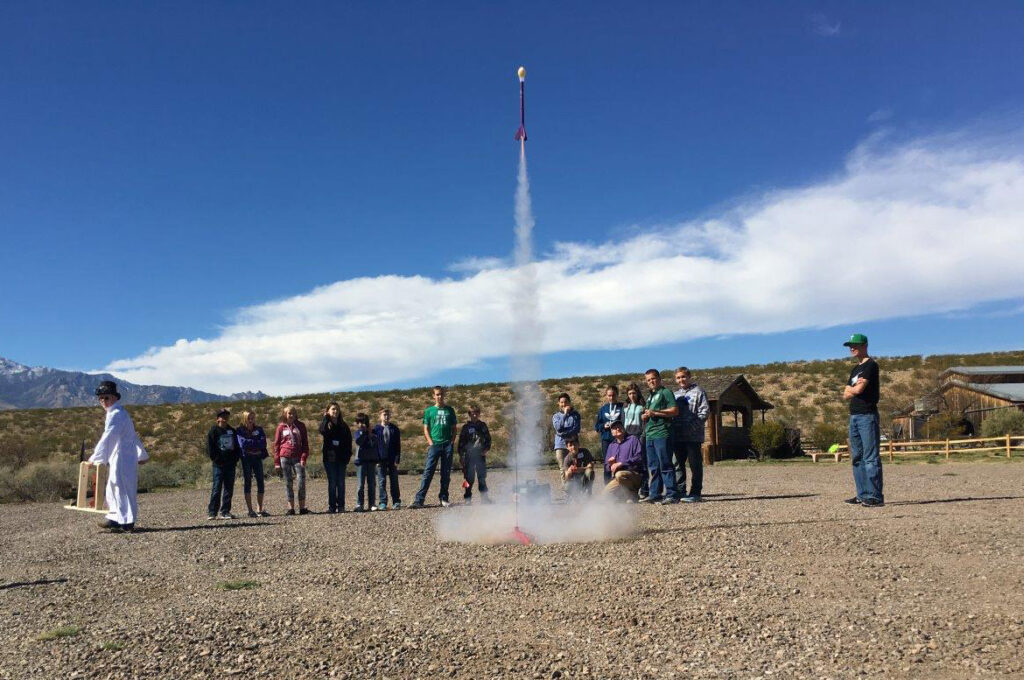
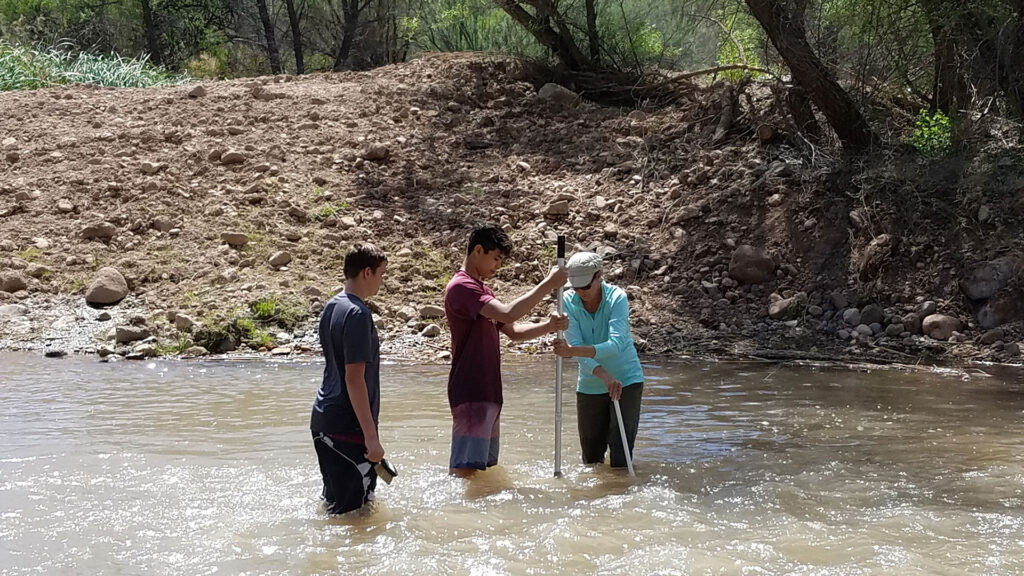
The Rural Activation and Innovation Network (RAIN) partnered with four rural Arizona regions to strengthen place-based STEM learning through community-led collaboration. Rather than importing outside programming, local leaders designed regional priorities, funded local initiatives, and built systems that continue today beyond the grant itself.
Impact and Reach
By the Numbers
- 4 rural Arizona regions engaged
- 175+ local STEM projects funded
- 250+ community STEM convenings
- 100,000+ Arizonans reached
- 70+ partner organizations involved
- 3 STEM-focused nonprofits seeded or expanded
- 2,500+ community survey responses collected
The Four RAIN Regions
- Cochise County (Southeastern AZ)
- Graham and Greenlee Counties (Eastern AZ)
- Verde Valley of Yavapai County (Central AZ)
- Southern Navajo and Apache Counties (White Mountains of AZ)
Cochise County
Built a county-wide STEM network anchored by the Bisbee Science Lab, mobile exhibits, libraries, and youth leadership programs.
Graham & Greenlee Counties
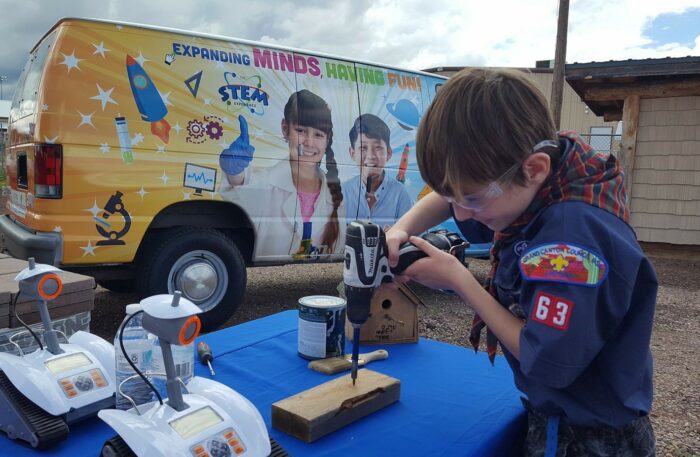
Expanded rural engineering outreach through the Eastern Arizona STEM Alliance and mobile STEM programming.
Verde Valley
Developed into the Verde Valley STEM Ecosystem, now serving as the region’s STEM outreach collaborative.
White Mountains
Integrated STEM outreach into the White Mountain Nature Center through mobile planetarium and community programming.
A Community-Led Model
Each region formed a Regional Innovation Council (RIC) made up of educators, libraries, healthcare leaders, businesses, tribal representatives, and community organizations. Councils identified local priorities, distributed mini-grants, and guided regional STEM strategies.
The project emphasized:
- Local decision-making
- Cross-sector collaboration
- Place-based STEM learning
- Long-term sustainability
Key Research Findings
Highlights
- Rural residents demonstrated strong STEM-related curiosity and problem-solving, even when they did not identify with the term “STEM.”
- Communities viewed STEM as important for economic growth and local opportunity.
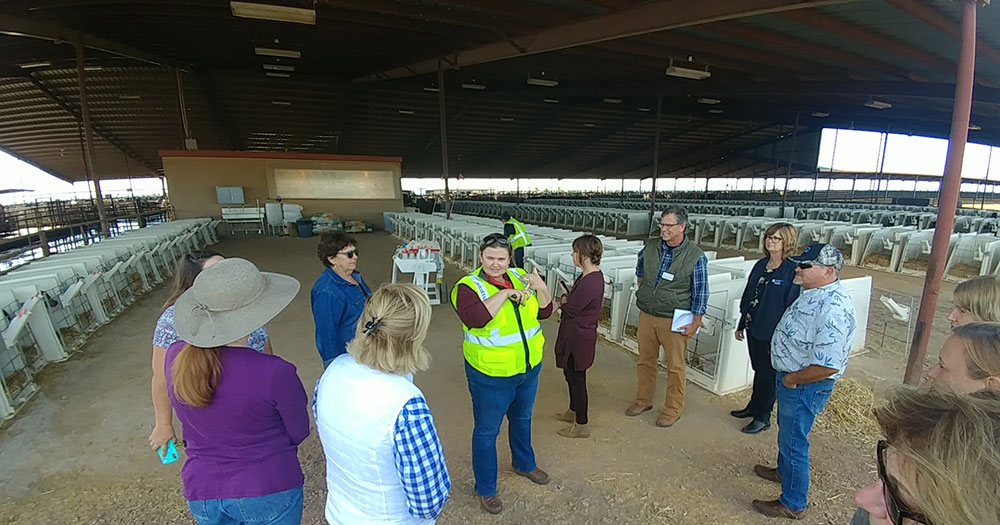
- Residents connected STEM to local industries including agriculture, healthcare, mining, and military careers.
- Partnerships and regional collaboration were the strongest drivers of long-term STEM ecosystem growth.
Citation
Findings published in:
Timko, G., Harris, M., Hayde, D., & Peterman, K. (2022). Sustainable development of community-supported STEM-learning ecosystems in rural areas of the United States. Community Development Journal.
Programs and Lasting Impact
RAIN supported the growth and sustainability of multiple rural STEM initiatives across Arizona, including:
- Bisbee Science Lab
- Science Vortex of the Verde Valley
- White Mountain Nature Center STEM expansion
- Eastern Arizona STEM Alliance
- Little Free STEM Libraries
- Chief Science Officers rural pilot programs
- Library maker spaces and mobile STEM labs
All four Regional Innovation Councils continued operating after NSF funding concluded through local partnerships and community leadership.
National Reach
RAIN helped catalyze broader rural STEM collaboration efforts, including:
- National Rural STEM Community of Practice
- National Rural STEM Learning Summit
- NASA Science Activation ecosystem initiatives
- STEM Learning Opportunity Network (SLON)
Project Team
Principal Investigator
- Jeremy Babendure (Arizona State University / SciTech Institute)
Co-Principal Investigators
- James Middleton (ASU)
- Beth Nickel (Arizona Science Center)
- Gary Timko (COSI)
Additional Contributors
- Kalman Mannis
- Jill Stein
- Karen Peterman
- Eric Jones
- Dolly Hayde
- Justin Meyer
- Laura Weiss
— Timeline Highlights —
2016
Project launch
2017–2019
Community research phases
2018–2020
Regional mini-grant expansion
2020–2021
COVID-era adaptations and resilience research
2023
NSF project conclusion
Present
Regional ecosystems continue independently
Sustainability
RAIN demonstrated that sustainable STEM ecosystems grow when communities are empowered to define their own priorities, partnerships, and future.