
by Claire Conway
When was the last time you attended a conference where there were fewer people talking at you and more opportunities for you to share your ideas, roll up your sleeves, and find new solutions to old ways of doing things? 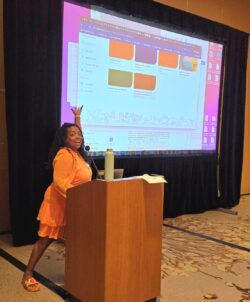
If nothing comes to mind, check out the National Rural STEM Learning Summit where participants will get down to the business of shaping the future of STEM — science, technology, engineering and math — in rural areas across the country.
Now in its third year, the summit is Aug. 26-29 at the We-Ko-Pa Casino Resort in Fort McDowell, Arizona. Hosted by the SciTech Institute, Arizona Science Center, and Rural Activation and Innovation Network, its theme is “Collective Impact | Rural Empowerment | Successful Rural STEM Programs.” You can register here.
Born and raised in Arizona, the summit is a critical component of the state’s robust STEM ecosystem, a collaborative, grassroots network of over 900 partners including educators, government leaders, and community organizers. SciTech Institute, the backbone of Arizona’s STEM Ecosystem, works with diverse stakeholders to promote STEM awareness and career pathways, build leadership and workforce skills, and develop a well-rounded community of qualified Arizonans headed to college and to the workplace.
In an era when rural education is scarcely a footnote at most learning forums, this summit highlights and elevates it. But the content isn’t just for educators. That’s because STEM doesn’t just happen in the classroom: It also thrives on farms, in libraries, at community centers, and around the kitchen table. An example is Willcox Theater and Arts in the southeastern Arizona town of the same name, pop. 4,200. Its movie theater hosts STEAM workshops that explore 3D printing, laser engraving, programming and robotics, among other tech topics.
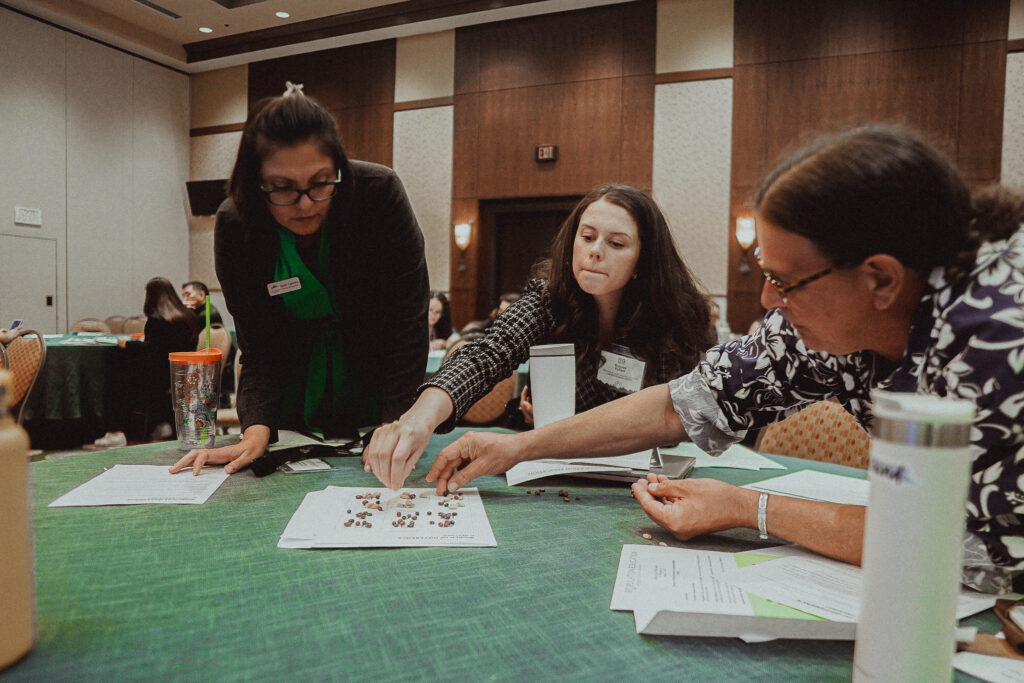
The summit will feature over 40 sessions and hands-on workshops, from unlocking data insights for AI to a chemistry lesson developed in Minecraft, plus plenty of networking opportunities for the STEM-immersed and STEM-curious alike. Spaces for brainstorming and innovating will be open for those experiencing ah-ha moments and wanting to wonder and create.
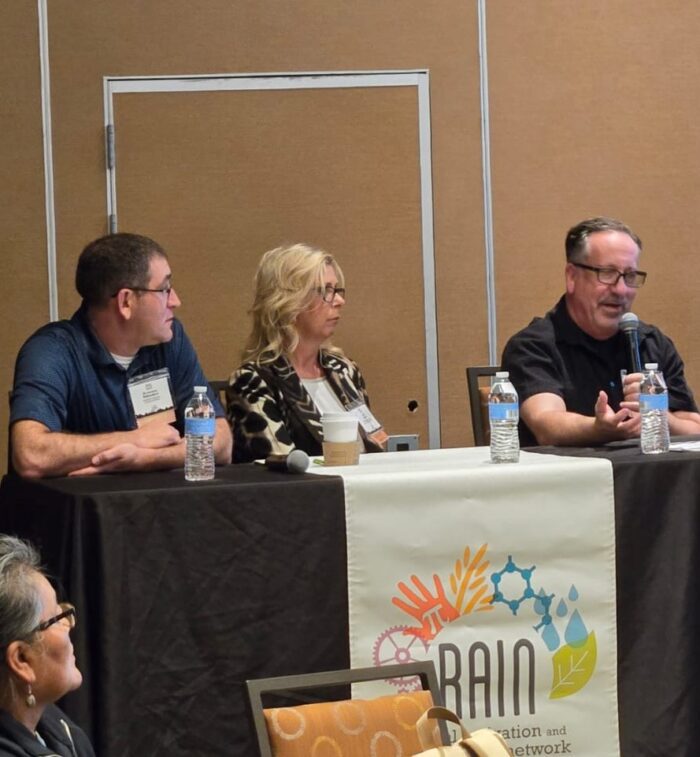
Uniquely, rural presenters will lead conversations and showcase what’s working before the 200-plus participants from a dozen states. These include Lisa Lewis, Director of the Viney Jones Library in Florence, and a longtime advocate for rural libraries. Lewis will talk about “Creating STEM Connections in the Maker Space World.” Max Cawley, Director of Climate Research and Engagement of the North Carolina-based Museum of Life and Science, will offer thoughts on navigating political disenfranchisement in rural STEM education. 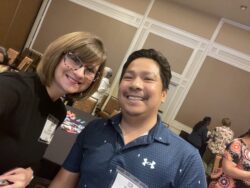
When everyone comes to the table — film buffs to farmers to funders, parents to policymakers, tribal leaders, industry reps, community advocates and everyone in between — STEM ripples through classrooms, local businesses, border towns and mining communities. There, STEM education is developing a powerful voice, and that’s good for us all.
Claire Conway is the STEM Ecosystem Director for SciTech Institute. Kal Mannis is the Sr. Director for Rural Engagement with Arizona Science Center.
For more information or to register for the National Rural STEM Learning Summit, please visit www.azruralstemsummit.net/2025-registration.