


ThoughtCo: Picture Guide to Common and Less-Common Minerals
Identify Your Specimens with This Master Photo Guide
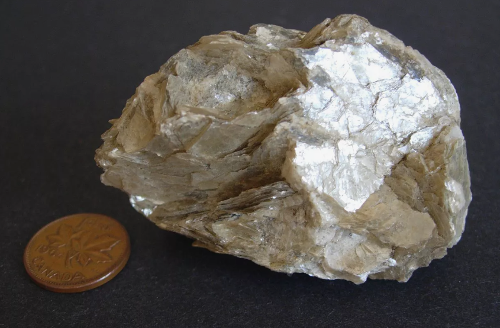
If you’re interested in rock collecting, you know that rocks you find in the real world rarely look like the polished specimens you see you rock shops or museums. In this index, you’ll find pictures of minerals like those you’ll most likely encounter in your expeditions.
This list starts with the handful of common minerals called the rock-forming minerals, followed by the most common accessory minerals—you’ll find them scattered in many different rocks but seldom in large amounts.
Next, you’ll see a set of rare or notable minerals, some of which are common in commercial rock shops.
Finally, you can check out some special galleries designed to help you to identify your specimens.
ThoughtCo is a premier reference site with a 20+ year focus on expert-created education content.
Tips on Where to Look and What to Look For
Take a closer look at the 12 most common purple, blue, and violet minerals on Earth.
The most common and significant ones
Identification Is Easier When You Know What to Look For
This list includes, primarily, minerals that form crystals, or at least solid grains for which red or pink is the default color.
This list will help you with identification.
Habits are the distinctive form that mineral crystals may take in different geologic settings.
This gallery shows the major types of luster, which range from metallic to dull.
While most minerals have a white streak, a few well-known minerals can be identified by the color of their streak.
4 Things That Define Minerals
What is a rock, exactly?
What are you looking for?
Organization
Website URL
Type of Resource
Assigned Categories
Resource k12
Identify Your Specimens with This Master Photo Guide
If you’re interested in rock collecting, you know that rocks you find in the real world rarely look like the polished specimens you see you rock shops or museums. In this index, you’ll find pictures of minerals like those you’ll most likely encounter in your expeditions.
This list starts with the handful of common minerals called the rock-forming minerals, followed by the most common accessory minerals—you’ll find them scattered in many different rocks but seldom in large amounts.
Next, you’ll see a set of rare or notable minerals, some of which are common in commercial rock shops.
Finally, you can check out some special galleries designed to help you to identify your specimens.
ThoughtCo is a premier reference site with a 20+ year focus on expert-created education content.
Tips on Where to Look and What to Look For
Take a closer look at the 12 most common purple, blue, and violet minerals on Earth.
The most common and significant ones
Identification Is Easier When You Know What to Look For
This list includes, primarily, minerals that form crystals, or at least solid grains for which red or pink is the default color.
This list will help you with identification.
Habits are the distinctive form that mineral crystals may take in different geologic settings.
This gallery shows the major types of luster, which range from metallic to dull.
While most minerals have a white streak, a few well-known minerals can be identified by the color of their streak.
4 Things That Define Minerals
What is a rock, exactly?
