

OLogy: Mint Your Own Coin

OLogy: Mint Your Own Coin

Make a coin that tells something special about you.

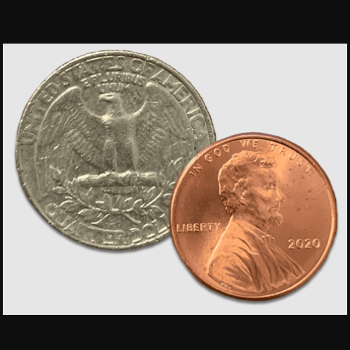
Maybe you dropped it into a soda machine. Or you flipped it playing heads or tails. Chances are, you’ve used a coin today. But when was the last time you looked closely at a coin? Without peeking, can you remember what’s on both sides of a penny or a quarter?

Coins may seem like everyday objects, but they can tell a lot about the people who use them. Think about what’s on a typical coin and the clues it can provide. For example:
  • Dates usually tell when a coin was made. Along with the coin’s image, the date could reveal when an important event happened, like the inauguration of a queen.
  • Names of places tell where a coin was made. This can show who made and used the coin. If a coin is found in a place that is far away from where it was made, this may be a clue to trade or travel between the two places.
  • Images show important places, people, or symbols. A coin may show a deity (god), a ruler, or a government building. These images reflect things that are important to a culture.
  • Mottos (or wise sayings) also reflect a culture’s values. (Think of the word “Liberty” on all U.S. coins.) These words may even confirm what languages were spoken by a certain culture.
  • The materials a coin is made of show what metals or minerals were available (or valuable) at different places and times.


It’s not just what’s on a coin that interests archaeologists—it’s also where a coin is found. If a coin is discovered among ruins or alongside other artifacts, it may help archaeologists determine the site’s time period. By examining the dates of coins, archaeologists can usually date the artifacts or ruins that they find.


OLogy (American Museum of Natural History)
Science Topics
Archaeology
Social Studies Topics
Ancient History, Economics & Finance
K-6
Kindergarten, 1st Grade, 2nd Grade, 3rd Grade, 4th Grade, 5th Grade, 6th Grade

What are you looking for?

Organization

OLogy (American Museum of Natural History)

Website URL

Type of Resource

Tutorial

Assigned Categories

Resource k12

OLogy: Mint Your Own Coin

Make a coin that tells something special about you.

Maybe you dropped it into a soda machine. Or you flipped it playing heads or tails. Chances are, you’ve used a coin today. But when was the last time you looked closely at a coin? Without peeking, can you remember what’s on both sides of a penny or a quarter?

Coins may seem like everyday objects, but they can tell a lot about the people who use them. Think about what’s on a typical coin and the clues it can provide. For example:
  • Dates usually tell when a coin was made. Along with the coin’s image, the date could reveal when an important event happened, like the inauguration of a queen.
  • Names of places tell where a coin was made. This can show who made and used the coin. If a coin is found in a place that is far away from where it was made, this may be a clue to trade or travel between the two places.
  • Images show important places, people, or symbols. A coin may show a deity (god), a ruler, or a government building. These images reflect things that are important to a culture.
  • Mottos (or wise sayings) also reflect a culture’s values. (Think of the word “Liberty” on all U.S. coins.) These words may even confirm what languages were spoken by a certain culture.
  • The materials a coin is made of show what metals or minerals were available (or valuable) at different places and times.


It’s not just what’s on a coin that interests archaeologists—it’s also where a coin is found. If a coin is discovered among ruins or alongside other artifacts, it may help archaeologists determine the site’s time period. By examining the dates of coins, archaeologists can usually date the artifacts or ruins that they find.

OLogy (American Museum of Natural History)
Science Topics
Archaeology
Social Studies Topics
Ancient History, Economics & Finance
K-6
Kindergarten, 1st Grade, 2nd Grade, 3rd Grade, 4th Grade, 5th Grade, 6th Grade

What are you looking for?

Organization

OLogy (American Museum of Natural History)

Website URL

Type of Resource

Tutorial

Assigned Categories