

Environmental Protection Agency: Tribal Connection - Trends in Stream Temperature in the Snake River
This feature tracks the summer water temperature of the Snake River.
Climate change has challenged and will continue to challenge some of the traditional ways of life that have sustained indigenous peoples for thousands of years. In the Pacific Northwest, warming river and stream temperatures will threaten ecosystems and species, including salmon populations.1 Salmon play a particularly important role in the diet, culture, religion, and economy of Native Americans in this region.2
Salmon are sensitive to water temperature at many stages of their lives. They spend much of their adult lives in the ocean, then migrate inland to spawn. Salmon need cold water to migrate and for their young to hatch and grow successfully. Warmer water can negatively affect fish, making it more difficult for them to swim upstream. It can also make fish more susceptible to disease.3 River and stream temperatures in the Pacific Northwest are influenced by many factors, but are expected to rise as average air temperatures increase (see the U.S. and Global Temperature indicator).4,5,6
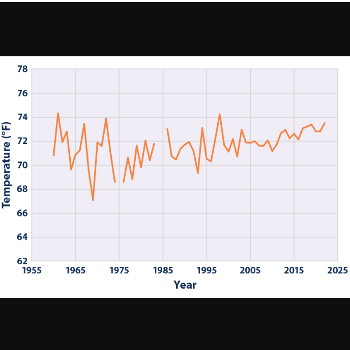
The graph shows average August water temperatures at a site in the Snake River, in eastern Washington near Nez Perce tribal lands. Several species of salmon use the Snake River to migrate and spawn. Between 1960 and 2015, water temperature has increased by 1.4°F.
Learn how air pollution can harm your health and the environment, and what EPA is doing to protect the air we breathe.
Understanding and addressing climate change is critical to EPA’s mission of protecting human health and the environment.
EPA partners with more than 40 data contributors from various government agencies, academic institutions, and other organizations to compile a key set of indicators related to the causes and effects of climate change.
This chapter looks at some of the ways that climate change affects ecosystems, including changes in wildfires, streams and lakes, bird migration patterns, fish and shellfish populations, and plant growth.
What are you looking for?
Organization
Website URL
Type of Resource
Assigned Categories
Resource k12
This feature tracks the summer water temperature of the Snake River.
Climate change has challenged and will continue to challenge some of the traditional ways of life that have sustained indigenous peoples for thousands of years. In the Pacific Northwest, warming river and stream temperatures will threaten ecosystems and species, including salmon populations.1 Salmon play a particularly important role in the diet, culture, religion, and economy of Native Americans in this region.2
Salmon are sensitive to water temperature at many stages of their lives. They spend much of their adult lives in the ocean, then migrate inland to spawn. Salmon need cold water to migrate and for their young to hatch and grow successfully. Warmer water can negatively affect fish, making it more difficult for them to swim upstream. It can also make fish more susceptible to disease.3 River and stream temperatures in the Pacific Northwest are influenced by many factors, but are expected to rise as average air temperatures increase (see the U.S. and Global Temperature indicator).4,5,6
The graph shows average August water temperatures at a site in the Snake River, in eastern Washington near Nez Perce tribal lands. Several species of salmon use the Snake River to migrate and spawn. Between 1960 and 2015, water temperature has increased by 1.4°F.
Learn how air pollution can harm your health and the environment, and what EPA is doing to protect the air we breathe.
Understanding and addressing climate change is critical to EPA’s mission of protecting human health and the environment.
EPA partners with more than 40 data contributors from various government agencies, academic institutions, and other organizations to compile a key set of indicators related to the causes and effects of climate change.
This chapter looks at some of the ways that climate change affects ecosystems, including changes in wildfires, streams and lakes, bird migration patterns, fish and shellfish populations, and plant growth.
