


NRICH: Hollow Squares
Which armies can be arranged in hollow square fighting formations?
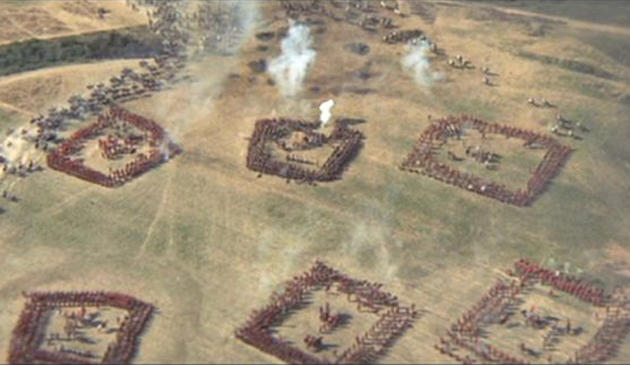
In Napoleonic battles a hollow square was a popular formation for an infantry battalion designed to cope with Cavalry charges.
For example, the picture below shows a recreation of Wellington’s army at Waterloo.
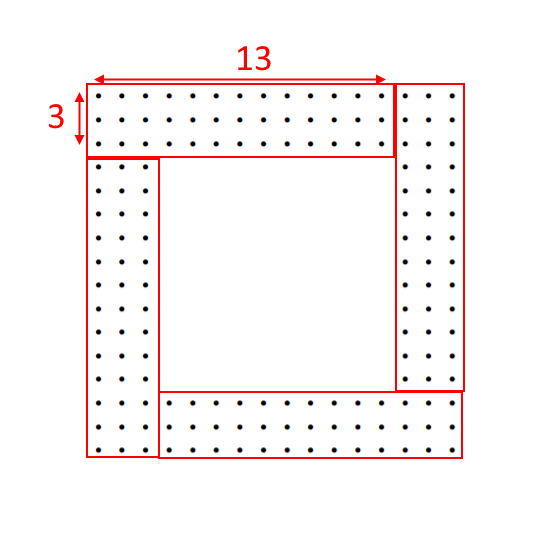
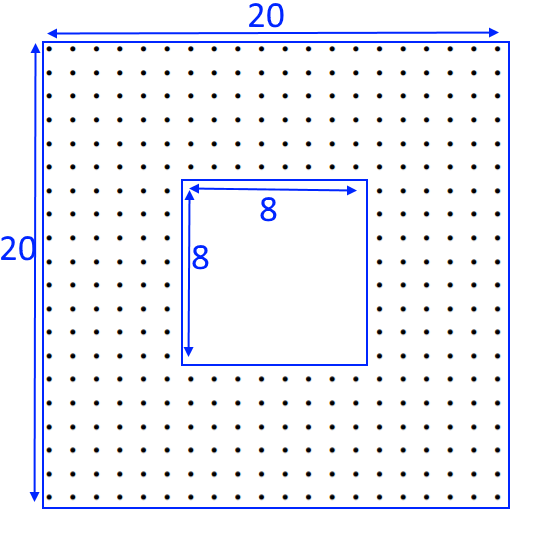
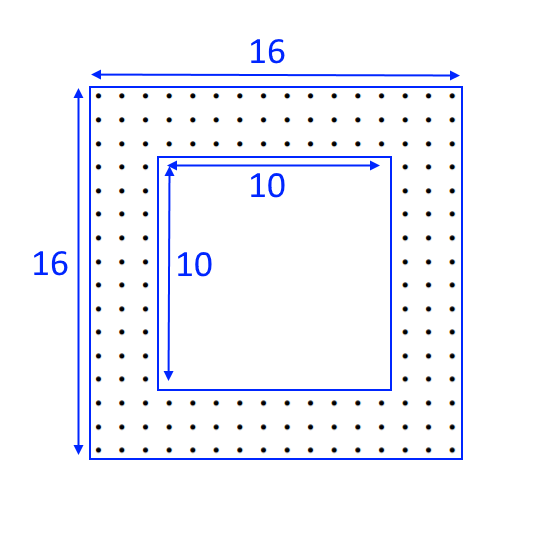
Below are two diagrams showing symmetrical hollow square formations.
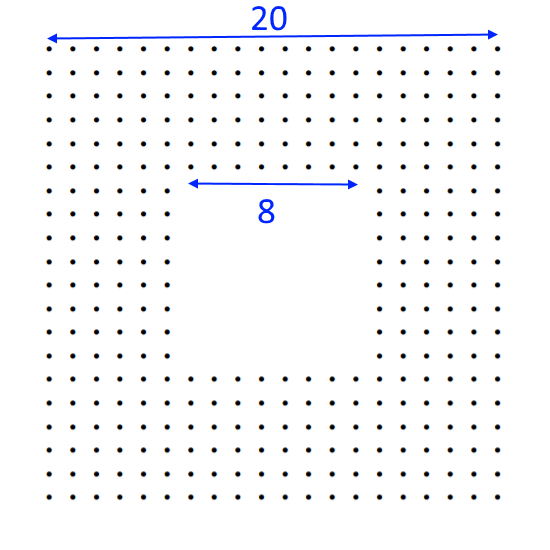
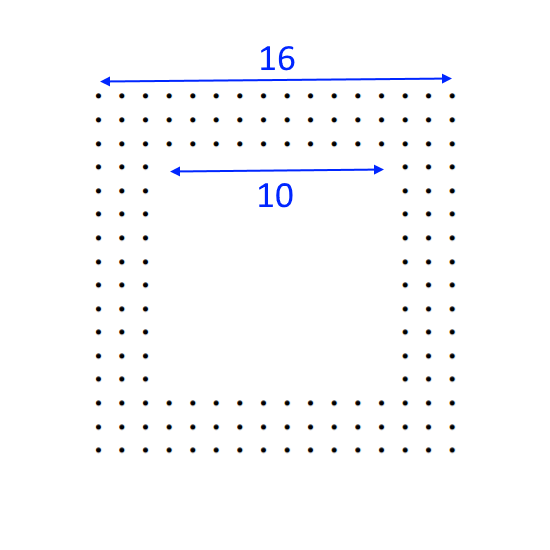
Alison’s Method:
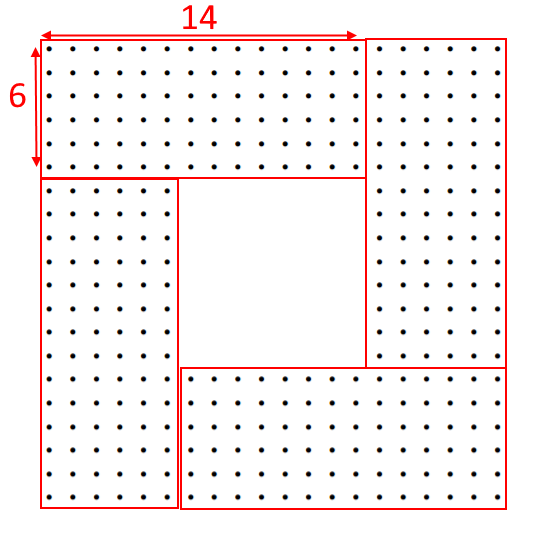
Charlie’s Method:
A general has 960 soldiers. How many different ways can he arrange his battalion in a symmetric hollow square?
What can you say about battalion sizes that can’t be arranged as symmetric hollow squares?
Can you find a general strategy for arranging any possible battalion into all possible symmetric hollow squares?
What about hollow squares that are not symmetric…?
You may also like to take a look at What’s Possible?
With thanks to Don Steward, whose ideas formed the basis of this problem.
Age 14 to 16
NRICH provides thousands of free online mathematics resources for ages 3 to 18, covering all stages of early years, primary and secondary school education – completely free and available to all.
Do you enjoy thought-provoking questions? If so, this is the place for you.
What are you looking for?
Organization
Website URL
Type of Resource
Assigned Categories
Resource k12
Which armies can be arranged in hollow square fighting formations?
In Napoleonic battles a hollow square was a popular formation for an infantry battalion designed to cope with Cavalry charges.
For example, the picture below shows a recreation of Wellington’s army at Waterloo.

Below are two diagrams showing symmetrical hollow square formations.


Alison’s Method:

Charlie’s Method:


A general has 960 soldiers. How many different ways can he arrange his battalion in a symmetric hollow square?
What can you say about battalion sizes that can’t be arranged as symmetric hollow squares?
Can you find a general strategy for arranging any possible battalion into all possible symmetric hollow squares?
What about hollow squares that are not symmetric…?
You may also like to take a look at What’s Possible?
With thanks to Don Steward, whose ideas formed the basis of this problem.
Age 14 to 16
NRICH provides thousands of free online mathematics resources for ages 3 to 18, covering all stages of early years, primary and secondary school education – completely free and available to all.
Do you enjoy thought-provoking questions? If so, this is the place for you.
